
Gene therapy is medicine's most consequential frontier, yet its promise remains hobbled by a manufacturing problem that no amount of clinical elegance can mask: producing adeno-associated virus (AAV) vectors at commercial scale is expensive, inconsistent, and poorly understood. It is against this backdrop that the TRANS-AM (Transformation of Advanced Medicines Manufacture) project, announced in October 2025, deserves serious attention from pharmaceutical executives.
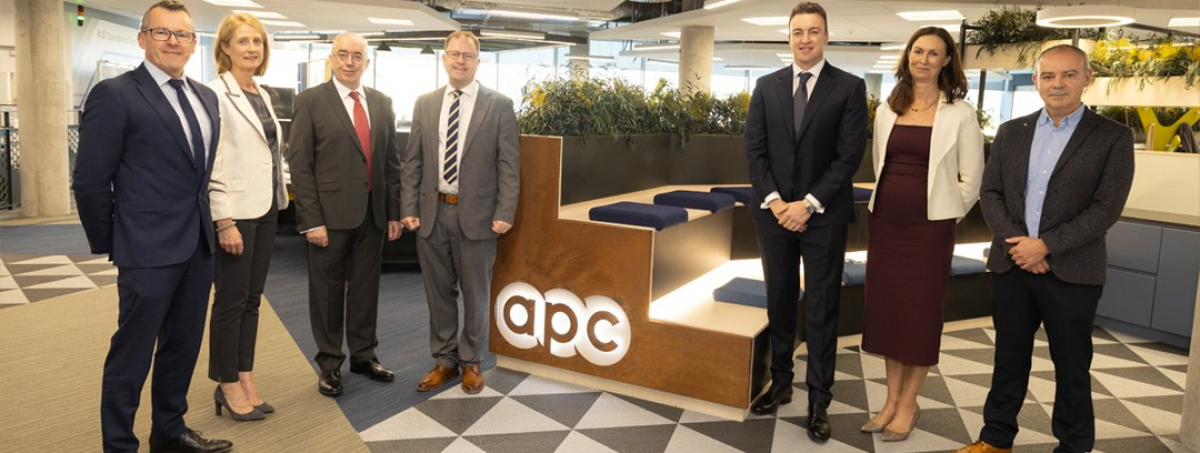
Co-funded by Research Ireland and APC Ltd and announced by Minister James Lawless TD, the five-year, €2 million initiative unites NIBRT, University College Dublin, and VLE Therapeutics in a structured effort to solve the yield, quality, and cost problems that keep life-changing therapies beyond patients' reach. For a country hosting nine of the world's top ten pharmaceutical companies, the decision to invest public and private capital in this bottleneck is strategically sound.
TRANS-AM represents precisely the kind of pre-competitive, infrastructure-level intervention the sector requires, and Ireland is right to pursue it. Manufacturing inefficiency is not a peripheral concern for gene therapy developers; it is the primary reason approved therapies can cost millions of euros per dose and why health systems struggle to reimburse them. By targeting AAV vector yield, host cell behaviour, and real-time analytical characterisation in a single coordinated programme, TRANS-AM addresses the manufacturing value chain at its most fragile points. Three arguments sustain this position: the scientific case for tackling AAV manufacturing at source; Ireland's infrastructure credibility; and the strategic dividend for the country's life sciences FDI standing.
Low AAV vector yields, variable quality, and limited process understanding remain the defining obstacles to cost-effective gene therapy production. TRANS-AM lead principal investigator Professor Niall Barron has been direct: cells are fundamentally resistant to producing the viruses needed to deliver these therapies, and overcoming those cellular defences requires novel engineering approaches and more sensitive analytical methods. APC Group CTO Brian Glennon has described a manufacturing cost pathway from millions per dose to thousands — a reduction that transforms patient access and commercial viability simultaneously.
Ireland's readiness to host this work rests on deliberate infrastructure investment. NIBRT's €21 million ATMP extension, funded by IDA Ireland and the Government of Ireland, provides 1,800 square metres of dedicated cell and gene therapy space across seven specialist laboratories and two training suites. Over €3.5 million in Research Ireland Research Professorship funding has deepened academic capacity at NIBRT. As NIBRT CSO Dr Fiona Killard-Lynch noted, TRANS-AM exemplifies Ireland's innovation system working as intended. The Cell and Gene Therapy Forum Ireland, with more than 200 members, amplifies these investments into a coherent national strategy.
To strengthen TRANS-AM's commercial impact, three actions are warranted. Regulatory engagement with the Health Products Regulatory Authority and the European Medicines Agency should be embedded from the outset, ensuring analytical methods developed under the programme are designed with approval-readiness in mind. IDA Ireland should formally incorporate TRANS-AM outputs into Ireland's ATMP investment proposition, giving prospective sponsors direct visibility of the capability being built. Research Ireland and industry partners should also establish a follow-on co-investment framework so that promising process innovations can be scaled and protected through commercially viable IP arrangements.
Gene therapy will define the next decade of pharmaceutical medicine, and the countries that solve the manufacturing problem first will capture a disproportionate share of that market. Through TRANS-AM, NIBRT's ATMP infrastructure, and the CGT Forum's coordination, Ireland has assembled a credible and coherent platform. The science is live, the infrastructure is in place, and the ambition is stated. Execution is what remains.
(The views expressed by the writer are his/her own and do not necessarily reflect the views or positions of BusinessRiver.)



















.png)