
Ireland's MediBack programme brings the disposal of unused medicines into a more structured national system, extending pharmaceutical stewardship beyond dispensing and patient use.
The new MediBack service allows unused and expired medicines to be returned free of charge to community pharmacies across Ireland for safe disposal. Launched by Health Minister Jennifer Carroll MacNeill, the national programme aims to address medicine safety, antimicrobial resistance, environmental protection and the risks associated with unwanted medicines remaining in circulation.
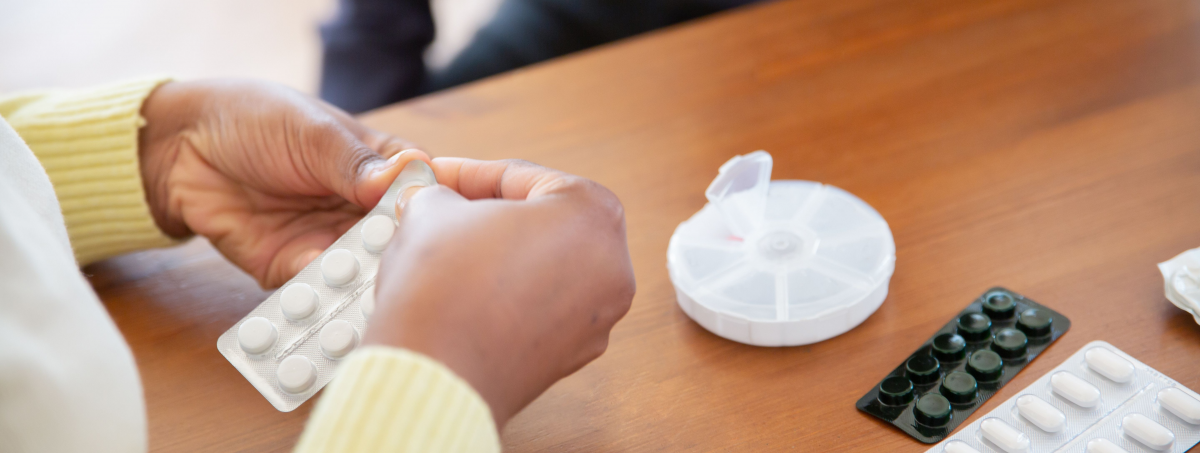
MediBack is a nationally coordinated medicine return and disposal programme delivered through Ireland's community pharmacy network. Members of the public can return eligible medicines to any participating pharmacy rather than the pharmacy where they were originally dispensed.
Community pharmacies provide the operational network for the programme. More than 1,900 pharmacies are participating in the HSE-funded scheme, creating a nationwide infrastructure for the collection of unused, unwanted and expired medicines.
The strategic significance lies in the final stage of the pharmaceutical lifecycle. Considerable attention is given to medicine discovery, manufacturing, distribution and dispensing, but the management of medicines after they are no longer required has historically been less visible. MediBack formalises that final stage by creating a national route for medicines to be returned rather than retained in households or disposed of through general waste systems.
That matters because inappropriate disposal has implications beyond individual households. The Department of Health has identified antimicrobial resistance, diversion of medicines, accidental poisoning and environmental contamination among the risks that safe medicines disposal can help address.
For the pharmaceutical sector, the programme strengthens the concept of medicines stewardship. The responsibility surrounding a medicine does not necessarily end when it is dispensed. Unused products can remain within communities, creating potential risks associated with misuse, inappropriate access and incorrect disposal.
The antimicrobial resistance angle is particularly significant. Ireland's One Health approach recognises the connection between human, animal and environmental health, and MediBack supports this framework by encouraging medicines to be removed from households and managed through appropriate disposal channels.
The service also introduces a more structured relationship between pharmaceutical care and waste management. Community pharmacists already support medicines optimisation and patient care, and the return process provides an additional point at which patients and carers can engage with pharmacists about medicines that are no longer required or may not be used as intended.
The environmental case reinforces the pharmaceutical importance of the programme. The Irish Pharmacy Union reported that significant quantities of unused medicines had previously been placed in household bins or flushed into water systems. A national pharmacy-based return route provides a clearer pathway for managing pharmaceutical waste while reducing the likelihood of inappropriate disposal.
There are defined limits to what MediBack accepts. Most human medicines and certain veterinary medicines for pets are eligible, while sharps, clinical waste and medicines for farm animals are excluded. This distinction reflects the different handling and disposal requirements associated with pharmaceutical and healthcare waste streams.
For pharmaceutical companies and healthcare stakeholders, the wider implication is that medicines management is becoming more lifecycle-focused. Product safety, responsible use and environmental impact increasingly extend beyond manufacturing and distribution into what happens when a medicine reaches the end of its use.
For the sector, the lesson is direct: pharmaceutical stewardship does not end at dispensing. MediBack demonstrates how a coordinated return system can connect medicine safety, responsible disposal, antimicrobial resistance and environmental protection, bringing the final stage of the pharmaceutical lifecycle into a more structured national framework.
Source: Irish Medical Times / Department of Health / HSE / Irish Pharmacy Union















.png)